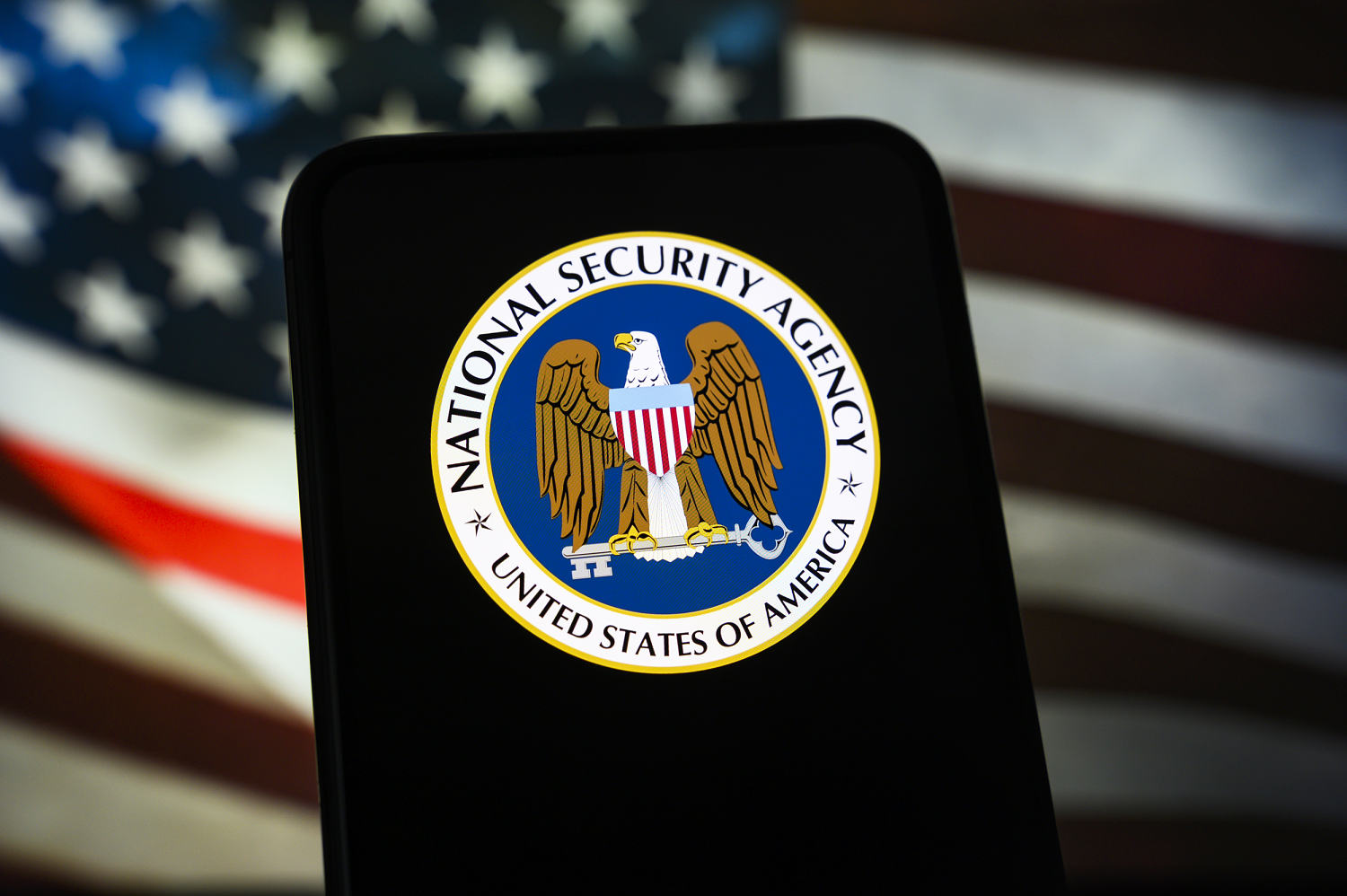
When the National Security Agency's internal backbone goes dark, Washington notices fast. Recently, NSANet—the highly classified internal communications network that employees at Fort Meade and other sites rely on—suffered a major outage. Naturally, initial whispers turned to foreign adversaries, cyber warfare, and electronic sabotage. But behind closed doors, intelligence officials quickly ruled out a malicious attack, pointing instead to the messy reality of managing massive government IT infrastructure.
If you work in tech or enterprise security, you already know that critical systems break down for boring reasons far more often than exciting ones. Let's look past the sensational headlines to break down what actually happened during the NSA network failure, how the agency responded, and why these high-security incidents happen.
Inside the NSANet Disruption
NSANet isn't your average corporate intranet. It's an isolated, hyper-secured network designed specifically for handling sensitive intelligence and internal communications across the agency. When it stalled out, the impact was immediate.
Instead of hiding the disruption, the agency declared an internal "code yellow" status. They took the practical step of ordering staggered arrival times for non-emergency personnel at their Fort Meade headquarters, shifting schedules to noon or later while engineers scrambled to diagnose the root cause.
Why Everyone Immediately Feared a Cyberattack
You can't blame observers for jumping to conclusions. The outage hit right on the heels of a string of high-profile technological glitches, email blackouts, and global IT hiccups that had already put infrastructure watchers on edge. In the current geopolitical climate, any sudden failure of a core intelligence asset automatically raises red flags. Could foreign hackers have breached the perimeter? Had a zero-day exploit been deployed against government servers?
Former intelligence experts pointed out that panicking over state-sponsored cyber warfare is usually the wrong first guess. As former senior U.S. intelligence official Beth Sanner noted, NSANet is heavily firewalled and managed by some of the most competent cyber professionals on earth. When systems this fortified go offline, internal software patches, routine maintenance gone wrong, or hardware failures are far more probable culprits than an enemy breach.
Managing Security Without Compromising Operations
One burning question people always ask during these events is how national security operations keep running if the primary network drops. The answer lies in redundancy. Intelligence agencies don't keep all their eggs in one digital basket. Backup systems and alternative secure channels remain active, ensuring that urgent presidential intelligence feeds and critical national security functions stay online even when the primary administrative network takes a hit.
Furthermore, physical security and campus operations at Fort Meade remained completely normal during the event. Gates stayed open, local services functioned, and emergency personnel reported for duty as scheduled. The incident was strictly confined to internal digital communications and data sharing platforms, demonstrating that robust isolation can contain a software glitch before it becomes a physical security crisis.
What This Teaches Us About Enterprise Infrastructure
Every major IT outage at this scale offers a valuable lesson in resilience. Even the most elite organizations on the planet struggle with software updates, patch management, and legacy system maintenance. Technology breaks, code conflicts happen, and human error remains a constant variable no matter your security clearance.
The takeaway isn't that government networks are fragile. It's that transparency and operational flexibility matter most when things go sideways. By implementing staggered reporting schedules and activating redundancies immediately, the agency kept its workforce safe while quietly fixing the backend. Next time a major network goes dark, look past the cyberattack hype and remember that routine software updates remain the most dangerous game in enterprise tech.