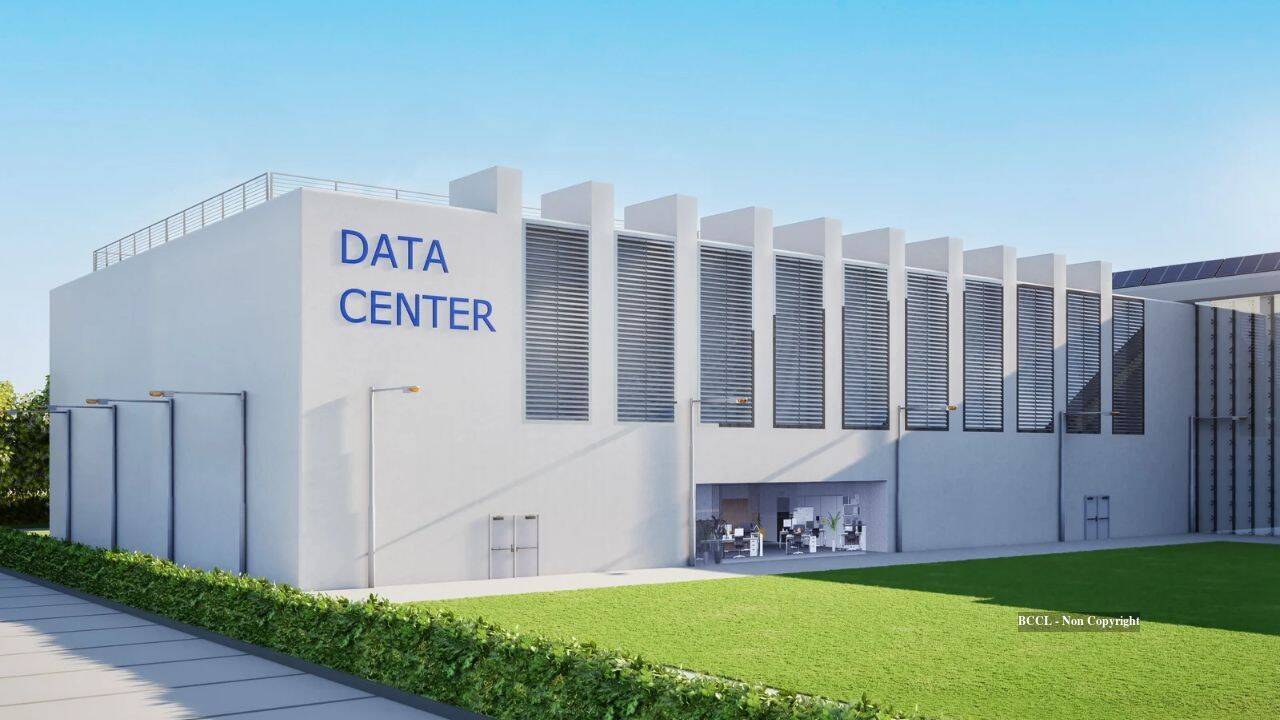
You buy a house in a quiet suburban neighborhood. You expect peace, low traffic, and predictable property values. Then, plans drop for an 88-acre industrial data centre complex right down the street, sitting a mere five hundred feet from your back fence. That is the reality homeowners in the Lakes of Marshall Ridge community near Westlake, Texas, faced when developers targeted their corner of Denton and Tarrant counties.
It is a clash playing out across the United States. Local tax coffers want the massive revenue streams generated by modern artificial intelligence and cloud infrastructure. Meanwhile, families living nearby worry about sleepless nights caused by industrial hums, diesel fumes from emergency backup generators, and plunging home values. Instead of rolling over or getting completely shut out by zoning boards, these Texas homeowners dug in, filed legal challenges, and forced a high-stakes settlement worth nearly $1.9 million.
The Anatomy of a Suburban Tech Clash
The proposed project isn't a small server closet tucked away in an office park. Developer PowerHouse designed a sprawling 1.1-million-square-foot facility split across four massive buildings near the corner of U.S. 377 and Westport Parkway. For the Town of Westlake, the project represents an economic windfall. Westlake Mayor Kim Greaves pointed out that the facility is projected to bring in roughly $5 million annually for the first decade, scaling up to $7 million a year thereafter. That single development boosts municipal revenues by about 14 percent.
Town leaders saw infrastructure growth and tax relief. Residents saw an industrial giant invading their residential sanctuary.
When property owners in the Marshall Ridge area realized how close the facility would sit to their backyards, fear quickly turned into mobilization. Data centres are notorious noise generators. Massive bank cooling fans, industrial air conditioning units, and constant electrical hums create a relentless wall of sound. Coupled with concerns over polluted drainage runoffs, heavy construction traffic, and the environmental impact of massive emergency diesel generators, residents decided their concerns warranted a lawsuit against the city and developer.
What the Marshall Ridge Settlement Actually Secured
Lawsuits against well-funded commercial real estate developers usually end in total defeat or meager concessions. This case took a different path. On November 5, a binding legal settlement was signed, requiring PowerHouse to hand over nearly $1.9 million within forty-five days.
The money wasn't just a vague payout. It was earmarked for specific community protections:
- $1.5 million went straight into a dedicated noise mitigation fund.
- $300,000 was allocated for local fire protection enhancements.
- $76,000 completely reimbursed the City of Keller for legal and consulting expenses, ensuring taxpayers didn't foot the bill for the fight.
Beyond cash, the settlement instituted strict operational guardrails that change how the data centre will function day-to-day. Noise levels are now capped at a strict 49 decibels overnight between 7 p.m. and 7 a.m., rising slightly to 56 decibels during daylight hours, measured directly at residential property lines.
To put that in perspective, 50 decibels is roughly the ambient sound level of a quiet suburban refrigerator or a gentle rainfall. For an industrial facility packing thousands of cooling servers, hitting those targets requires serious engineering controls.
Hard Rules on Berms, Trees, and Generators
The developer didn't just agree to lower volume levels; they had to alter their physical site plans. The initially proposed 8-foot earthen berm was hiked up to 10 feet to act as a physical acoustic and visual shield. More than half of the trees planted in the community buffer zone must be evergreens, with strict replacement mandates if any trees die off during the facility's lifecycle.
Diesel backup generators also faced heavy scrutiny. PowerHouse agreed that backup systems must meet stringent EPA Tier 4 emissions standards, and routine generator testing is locked down to a narrow window between 10 a.m. and 4 p.m. to prevent middle-of-the-night noise and pollution spikes. Furthermore, construction staging areas were relocated further away from residential property lines, and sound monitoring will run for three full years instead of the standard one-year trial period.
Even with these concessions, public comment periods revealed deep fractures within the community. Some residents remained furious, arguing that local officials tried to push the project through quietly without full transparency, calling the entire process an avoidable disaster. Others took a pragmatic stance, arguing that modern digital infrastructure is the backbone of the modern economy and that communities cannot simply block every power-hungry project that knocks on their door.
What This Means for Future Suburban Developments
The Westlake data centre saga serves as a blueprint for what happens when the unstoppable force of digital expansion meets the immovable object of suburban homeowners. Data centres need massive amounts of power, proximity to fiber optic trunk lines, and cheap land. Suburbs often provide all three, sitting on the suburban fringe where zoning lines blur between commercial corridors and residential subdivisions.
If you live in a growing metro area experiencing a tech boom, expect similar proposals near your zip code. Data centre developers are moving fast to lock down land parcels for AI computing clusters. When those proposals land, waiting for municipal leaders to protect your quality of life rarely works out. Local councils face intense pressure to boost tax revenues and expand infrastructure.
The takeaway from the Marshall Ridge settlement is clear. Neighborhoods don't always have the leverage to stop multi-million-dollar tech projects entirely once zoning is secured. But organized homeowners willing to pool resources, hire legal counsel, and threaten prolonged litigation can carve out hard financial protections, enforceable noise caps, and physical buffers that ordinary zoning reviews never require.
Don't wait for a project to break ground before reading local planning board agendas. Track commercial rezoning applications in your township, attend public hearings, and connect with neighbors early. When industrial neighbors move in, your best defense is a unified front and legally binding demands before the concrete trucks roll in.