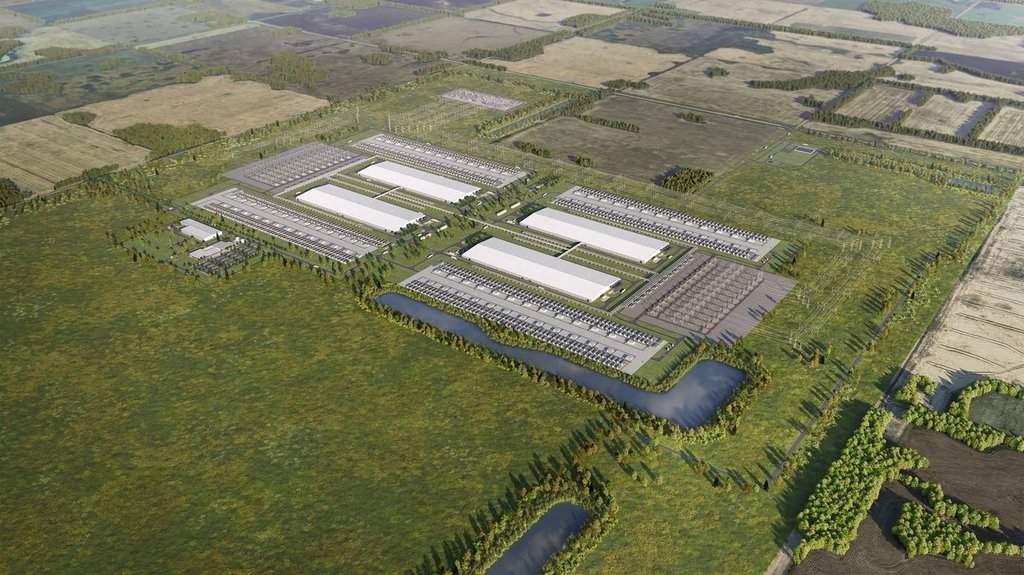
Big tech wants land, and they want it cheap. When global server operators started eyeing the Canadian prairies for massive server farms, local residents panicked over power grid strain and disappearing agricultural acreage. Alberta officials responded with legislative guardrails, specifically introducing regulatory constraints like Bill 42, which shapes how and where these massive digital warehouses can expand.
If you own land near an urban fringe or an irrigation district, this shift hits close to home.
The Land Grab Nobody Expected
Rural municipalities aren't built for hyperscale cooling towers and acres of server racks. For years, cheap electricity and wide-open spaces made parts of western Canada look like prime real estate for tech giants seeking to warehouse computing power. But power demands changed the calculus overnight. When a single facility can consume as much electricity as a mid-sized town, local infrastructure starts buckling.
Proposing buffer zones isn't just about aesthetics. It's about protecting the dirt that feeds people. Prime agricultural plots and irrigated acreage take decades to cultivate and minutes to pave over for concrete slabs. When local councils watch high-density tech hubs creep toward farm boundaries, friction is inevitable.
What Bill 42 Actually Changes
Governments rarely move fast, but utility strain forces quick hands. Alberta's legislative moves aim to place strict geographical limitations on where developers can drop multi-million-dollar server complexes.
The core issue boils down to three distinct conflicts:
- Water resources: Cooling thousands of processors requires massive amounts of fluid, often straining local water licenses meant for crops and livestock.
- Power grid capacity: Residential consumers shouldn't brown out because a server farm is training a language model next door.
- Property values and noise: Industrial cooling fans run 24/7, turning quiet rural nights into a permanent hum.
Developers hate uncertainty. When rules shift to protect homes and farms, projects get delayed or canceled. Yet, without those boundaries, rural communities carry all the risk while corporate balance sheets reap the rewards.
Navigating the Shift
If you're tracking industrial land use or regional zoning laws, the writing is on the wall. Municipalities are tightening approval processes, and public pushback is louder than ever. Expect longer consultation periods, stricter environmental assessments, and less tolerance for fast-tracked industrial rezonings.
Pay attention to local municipal development plans. If your acreage sits near a high-voltage transmission line or an established irrigation district, understanding these regulatory buffers is critical before making any long-term land decisions.
Protecting local infrastructure matters more than chasing quick municipal tax windfalls. Alberta is finding that out the hard way.