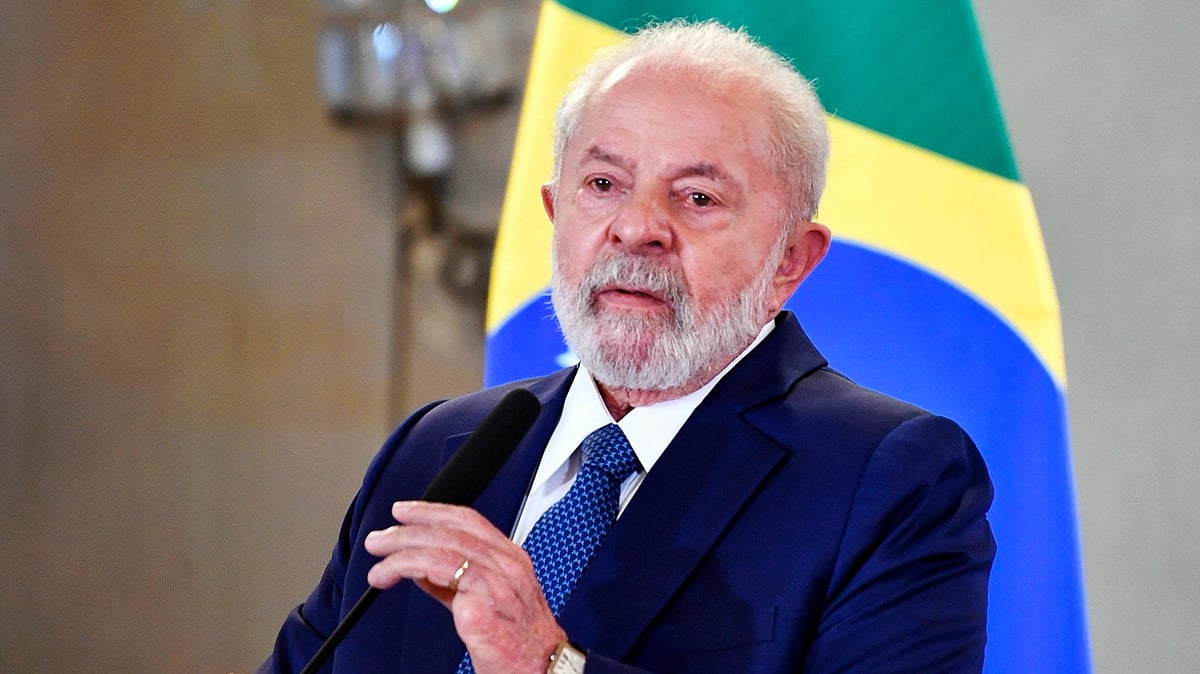
When Luiz Inácio Lula da Silva secured his fourth presidential term in October 2026, the sigh of relief didn't just echo through Brasília. It reverberated across capitals from Beijing to Moscow, altering the geopolitical arithmetic of the global south.
If you followed the nail-biting runoff against Flávio Bolsonaro, the son of the imprisoned former president, you already know how close Brazil came to a sharp rightward pivot. Lula pulled off a historic comeback after trailing in the first round, clinching over 51 percent of the vote. For the wider BRICS bloc, his survival at the ballot box means continuity. A Bolsonaro victory would have fractured the alliance's momentum from within, aligning South America's largest economy with a vastly different foreign policy posture. Instead, Brazil remains firmly anchored to an independent, multi-polar foreign policy framework.
What a Bolsonaro Win Would Have Meant for BRICS
Let's be honest about what was at stake. Jair Bolsonaro’s political DNA is heavily defined by a pro-Washington alignment and deep skepticism toward multilateral institutions that include China and Russia. Had his son Flávio captured the presidency, Brazil's participation in BRICS would have hit immediate turbulence.
The bloc relies heavily on consensus and shared ambitions to reshape global trade rules, promote local currency settlements, and challenge Western financial dominance. A far-right administration in Brasília would have likely acted as a domestic brake on these initiatives. We saw shades of this during the elder Bolsonaro's tenure, where diplomatic friction with Beijing and reluctance to lean into multilateral expansion created visible strain.
By keeping Lula in power, BRICS maintains its most vocal Latin American champion for multipolarity. Lula has repeatedly insisted that developing nations shouldn't act as anyone's backyard. That rhetoric isn't just campaign theater. It drives concrete diplomatic positioning on trade, climate negotiations, and international security governance.
The Economic Reality Behind the Geopolitics
Politics is downstream from economics, and Brazil's electorate felt that tension acutely. Millions of working-class voters broke for Lula because his platform promised targeted welfare protections and a strong state role in driving industrial growth. Inflation, public transport access, and job security dominated kitchen table conversations across São Paulo and Rio de Janeiro.
When international markets reacted with jitters after the first-round shock—where Flavio Bolsonaro outperformed expectations—it underscored how deeply polarized the investor class remains. Business leaders worried that another four years of leftist economic policy would bloat public spending. Yet, Lula's victory ensures that Brazil's trade channels with China, its single largest export destination for soybeans, iron ore, and oil, remain frictionless.
If a Bolsonaro administration had taken over, trade diversification efforts would have faced ideological roadblocks. The incoming government would have felt immense pressure from Washington to cool ties with Beijing. Lula's win guarantees that Brazil keeps its economic doors open to all comers, balancing Western partnerships with robust Asian and African trade ties.
BRICS Expansion and Brazil's Anchor Role
BRICS isn't just an acronym anymore; it's a growing diplomatic heavyweight representing a massive share of the global population and economic output. With new members joining its ranks, the bloc needs internal stability among its founding heavyweights.
Brazil provides that ballast in South America. If Brasília had flipped to the far right, the bloc would have lost its primary bridge in the Western Hemisphere. Instead, Lula's re-election ensures that South America retains a unified voice within multilateral summits. It strengthens the push to bypass the US dollar in bilateral trade settlements—a core objective for nations like Russia and China facing heavy Western sanctions.
Critics often argue that BRICS lacks internal cohesion due to competing national interests between China and India, or economic crises in nations like South Africa. Brazil under Lula acts as a stabilizing mediator. Lula brings a long-standing diplomatic credibility that allows him to sit at the table with Western leaders while simultaneously pushing for a restructured United Nations Security Council and reformed International Monetary Fund.
The Domestic Hurdles Ahead
You can't talk about Lula's fourth term without addressing the deep fractures inside Brazil. Winning the election is only half the battle. Flávio Bolsonaro and his allies immediately challenged the validity of the vote, pointing to a controversial last-minute Supreme Court extension of polling hours caused by transit bottlenecks and weather disruptions.
While legal experts give these annulment challenges little practical chance of success given the 4.4-million-vote margin, the political damage is real. Almost half the country voted for the nationalist right. This means Lula will govern a deeply divided nation. Legislative gridlock in Congress will test his ability to pass major social and economic reforms.
When domestic politics get messy, foreign policy often becomes a president's preferred arena to score easy wins and project strength. Expect Lula to lean heavily into his international statesman persona over the coming months. Representing the global south on the world stage offers a welcome distraction from stubborn domestic opposition in Brasília.
Brazil's election result proved that the populist right wave isn't unstoppable. For BRICS members watching from afar, the outcome brings immense relief and a clear roadmap for the years ahead. Brazil stays in the game, the multi-polar coalition holds its ground, and the shifting balance of global power continues unchecked.