Airspace opened, but the optics crashed hard
When thousands of travelers spend their weekend sleeping on airport terminal floors, watching a Cabinet official board a dedicated military-style jet to catch a college football game feels like a slap in the face.
Homeland Security Secretary Markwayne Mullin found himself at the center of that exact storm after taking a government aircraft to watch LSU play Texas. The trip occurred just hours after a massive Federal Aviation Administration (FAA) ground stop threw commercial air travel into complete disarray.
Public anger flared immediately. While stranded passengers navigated endless cancellations, missed connections, and hours of customer service hold music, an executive branch leader flew seamlessly to kickoff.
Mullin didn't back down.
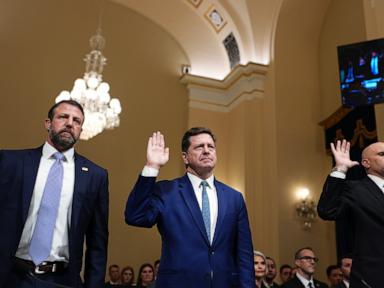
Appearing before lawmakers and answering media inquiries, he defended his trip by pointing out a basic fact: the airspace had officially reopened before his plane left the tarmac.
"We would have never went if the airways weren't completely open," Mullin said during an appearance on CNBC. He noted the system had been cleared for 21 hours prior to departure, adding: "We still gotta live our lives at the same time."
The legal rules back up part of his argument, but the political fallout tells a much broader story about executive travel ethics and public perception.
The mandate requiring executive government aircraft
To understand why Cabinet officials fly on non-commercial jets for personal trips, you have to look at executive security rules.
High-ranking officials—specifically those leading vital national security agencies like the Department of Homeland Security—are designated as continuous-command authorities. They must maintain constant, secure communications with the White House and military command, no matter where they are on the globe.
Because standard commercial flights cannot guarantee secure encryption channels during an emergency, federal policy mandates that these specific department heads travel on official government aircraft, even for non-work personal trips.
A Department of Homeland Security spokesperson confirmed that Mullin complied with standard protocols:
- Security protocols: The Secretary is required by federal mandate to use government aircraft for all travel.
- Personal reimbursement: The government is reimbursed out-of-pocket by the official for any flight portion tied purely to personal activities.
- Ethics review: Department counsel screens flight paths and personal trip schedules to ensure compliance with federal travel rules.
Legal compliance, however, rarely protects politicians from optical nightmares.
Commercial airline chaos meets government privilege
The timing couldn't have been worse.
The FAA ground stop was triggered by severe technical glitches in aging air traffic control communication systems. Even after controllers cleared flights to resume, commercial airlines faced massive logistical logjams. Flight crews were out of position, aircraft were stranded on distant runways, and over 7,000 domestic flights ended up canceled or heavily delayed.
Regular passengers faced cascading delays lasting two to three days.
FAA System Ground Stop Triggered
              │
              ▼
Commercial System Gridlock (7,000+ Flights Canceled/Delayed)
              │
              ▼
Airspace Officially Reopens 21 Hours Later
              │
              ▼
DHS Mandatory Government Flight Departs to College Football Game
              │
              ▼
Public Backlash & Congressional Oversight
When commercial aviation breaks down, standard ticket holders are stuck in line. Government officials operating under security exemptions bypass commercial terminals entirely. That stark contrast is what turns routine weekend travel into a lightning rod for congressional scrutiny.
History repeats itself across political parties
Cabinet travel controversies aren't new. They've plagued administrations of both major political parties for decades.
| Administration / Era | Key Officials Involved | Primary Controversy | Policy Outcome |
|---|---|---|---|
| 1990s | John Sununu (Chief of Staff) | Frequent use of military aircraft for personal skiing and political events | Heightened oversight on executive travel approvals |
| 2010s | Tom Price (HHS Secretary) | Extensive use of private charter flights for official business at public expense | Resignation; tightened travel guidelines across departments |
| 2010s | Steven Mnuchin (Treasury) | Request for military aircraft for personal travel, including eclipse viewing | Inspector General reviews and stricter reimbursement audits |
| 2020s | Markwayne Mullin (DHS) | Government plane travel to college football game directly following major FAA outage | Renewed Congressional debate over security travel mandates |
The core tension never changes. Security experts argue that Cabinet heads must remain reachable during crisis events. Critics counter that taxpayers end up bearing high operational costs, even with personal reimbursement models applied.
Infrastructure gaps behind the airport gridlock
Beyond the political fighting over plane access lies a much larger systemic problem: aging aviation infrastructure.
The ground stop wasn't caused by bad weather or pilot shortages. It resulted from hardware failures in decades-old flight management infrastructure.
Addressing the root cause requires sustained funding for modernized air traffic networks. When communication nodes go down, grounding entire fleets is the only safe move controllers have left.
Presidential statements following the outage acknowledged that critical aviation hardware suffered severe technical outages, highlighting the urgent need for federal investments in radar and controller communication pipelines.
Action steps for handling severe travel disruptions
Political debates won't fix your canceled flight, but knowing how to navigate systemic air traffic outages can save your trip when chaos hits.
- Track air traffic system alerts directly: Don't rely solely on your airline's app. Check the FAA's official Air Traffic Control System Command Center (status.faa.gov) to see if a ground stop or delay program is affecting your origin or hub airports.
- Book through primary carrier hubs carefully: During major system resets, connection bottlenecks happen at major hubs. Choose direct flights or routes with longer layovers when technical outages loom.
- Know your refund rights: Under federal aviation rules, if your flight is canceled and you choose not to accept rebooking, you're entitled to a full cash refund, not just travel vouchers—regardless of the reason for cancellation.
- Leverage credit card travel protections: Book flights using credit cards that include built-in trip delay and cancellation coverage to offset hotel, ground transport, and meal costs when systemic delays leave you stranded.