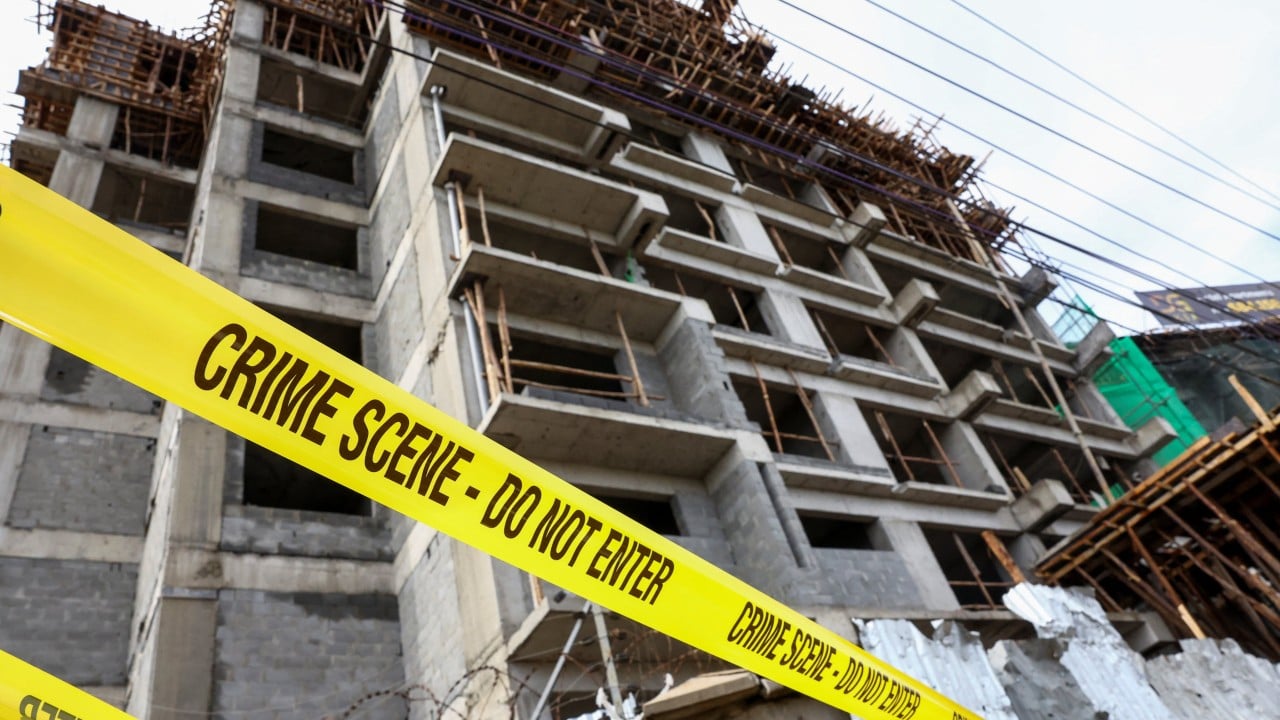
Another day, another tragedy in the concrete jungle near Kenya's capital. Six people are dead after an eight-storey building under construction collapsed near Nairobi, adding to a gruesome tally that nobody seems able to stop.
If you live in or follow East Africa's urban centers, this headline feels like a grim repeat. It happened just weeks after a massive 15-storey structure crashed down in Nairobi's Eastleigh neighborhood, taking eight lives. Every time dust settles over these ruins, officials promise stricter oversight. Then construction resumes, corners get cut, and the towers fall again.
The Anatomy of a Preventable Disaster
Building collapses don't happen by accident. They are engineered by negligence. According to the Kenya Institute for Public Policy Research and Analysis, structural failures usually trace back to a toxic cocktail of poor workmanship, substandard materials, weak supervision, and faulty designs.
When developers rush to put up multi-storey properties to cash in on Nairobi’s booming real estate market, safety protocols become expensive inconveniences. Concrete mixtures are watered down to save cash. Steel reinforcements are undersized. Unlicensed contractors skip critical curing phases, loading weight onto frames that can't handle the load.
The site near the SGR Syokimau access road—or Mlolongo—wasn't unique. It was just unlucky enough to give way while workers were on the clock. Five others were pulled from the rubble and rushed to hospitals, but emergency services are always playing a reactive game of catch-up.
Why Enforcement Remains a Paper Tiger
Kenya has plenty of regulatory bodies on paper. The National Construction Authority (NCA) is supposed to flag dangerous sites and halt illegal projects. Yet, corrupt shortcuts bypass these checks with alarming ease. Bribes keep inspectors looking the other way while floors are added illegally to permits that only approved half that height.
It's easy to blame rogue developers, but the systemic failure goes deeper. Municipal authorities often lack the human resources to police thousands of active construction sites sprouting up in satellite towns outside Nairobi proper. By the time a building shows structural distress, it's already too late.
The Human Cost Behind the Statistics
Numbers like "six dead" or "eight dead" turn human beings into collateral damage. These were laborers chasing daily wages in a tough economy, climbing scaffolding without harnesses or hard hats. They weren't structural engineers; they were men trying to feed their families who trusted that the concrete above them was secure.
When buildings pancaked in Eastleigh last month and in Syokimau this week, families lost breadwinners in seconds. Public outcry flares up on social media, politicians visit sites in crisp suits to express shock, and stern warnings get issued to the press.
Then the news cycle moves on.
Until the next foundation fails. Until the next pile of rubble needs excavating. Stopping this cycle requires real accountability—jail time for developers who flout safety laws, and teeth for regulators who look away. Until then, construction sites near Nairobi remain ticking time bombs.