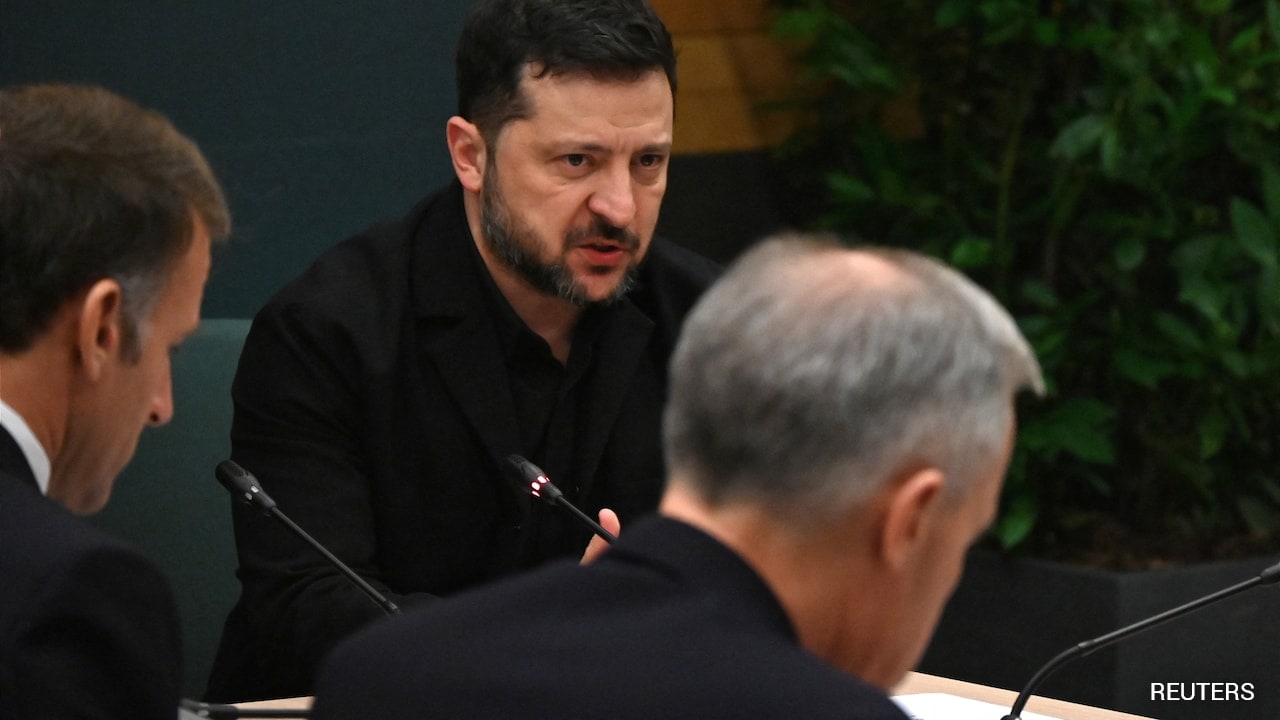
Winter is closing in, and Ukraine's defense apparatus is dealing with a self-inflicted tech nightmare. When communication speeds on the front lines get throttled, the entire architecture of modern drone warfare starts to wobble. President Volodymyr Zelenskyy has made it clear that restrictions on the SpaceX-operated Starshield network are severely limiting Kyiv's ability to track and intercept incoming threats.
This isn't just a minor IT glitch. It's a critical bottleneck happening right as temperatures drop and infrastructure attacks ramp up.
The Operational Reality of Speed Caps
If you've followed how this conflict is fought, you know it runs on low-latency satellite internet. Ukrainian forces rely on these terminals to coordinate movements, spot targets, and direct fast-moving interceptor drones. But recent system curbs have tied their hands.
Reports show that connections only function reliably when devices are moving slower than 161 kilometers (100 miles) per hour. Try mounting that hardware onto a high-speed interceptor meant to chase down modern jet-powered drones traveling at up to 1,000 kilometers per hour, and the math falls apart instantly. As extensively documented in detailed coverage by NPR, the implications are worth noting.
The system basically blinds itself the moment things move too fast. Ukrainian military units report that these limits make intercepting fast aerial threats nearly impossible. When thousands of incoming projectiles are hitting power grids and civilian hubs weekly, every second of tracking latency matters.
Behind the Technical Disconnect
Zelenskyy pointedly questioned whether these restrictions are purely technical or driven by policy decisions within SpaceX. While U.S. officials like Secretary of State Marco Rubio have previously suggested that Starshield operates under tighter government oversight, the erratic nature of these curbs tells a different story on the ground.
komunikasi lines shouldn't fluctuate based on political friction or backroom trade disputes. Kyiv has faced recurring battles over network access, often tied to wider diplomatic disagreements between Washington and Ukrainian leadership. Dependence on a single commercial-turned-military infrastructure provider creates an asymmetrical vulnerability that no sovereign nation wants to manage during an active invasion.
The Winter Threat Matrix
The timing couldn't be worse. Russia has scaled up its bombardment, utilizing thousands of attack drones, guided aerial bombs, and ballistic missiles in single-week surges. The primary target remains clear: Ukraine's power generation and heating infrastructure.
Without reliable tracking and swift drone neutralization, cities like Zaporizhzhia and Odesa face catastrophic blackouts as sub-zero temperatures arrive. A compromised communication network turns an already brutal winter campaign into an open season for incoming strikes.
Kyiv's defense ministry is pushing for immediate clarification and a complete lifting of these speed restrictions from the Pentagon, the State Department, and SpaceX. Until those blocks disappear, the defense grid remains artificially restricted, leaving millions waiting to see if diplomacy can move faster than the next wave of drones.
Ukraine needs a Starshield alternative. Can Europe deliver?
This video discusses the ongoing challenges Ukraine faces with Starshield restrictions and explores whether European alternatives can fill the critical connectivity gap.